1kg of Fat vs 1kg of Muscle: What’s the Difference?
Does muscle weigh more than fat?
It is one of the most common questions people ask when they begin strength training or working towards a fat-loss goal. The short answer is no: 1kg of muscle and 1kg of fat weigh exactly the same.
The important difference is how much space each one takes up, how it affects your body composition and what it does for your overall health.
That is why the number on the scale does not always tell the full story. You may weigh the same—or even slightly more—while looking leaner, feeling stronger and fitting into your clothes more comfortably.
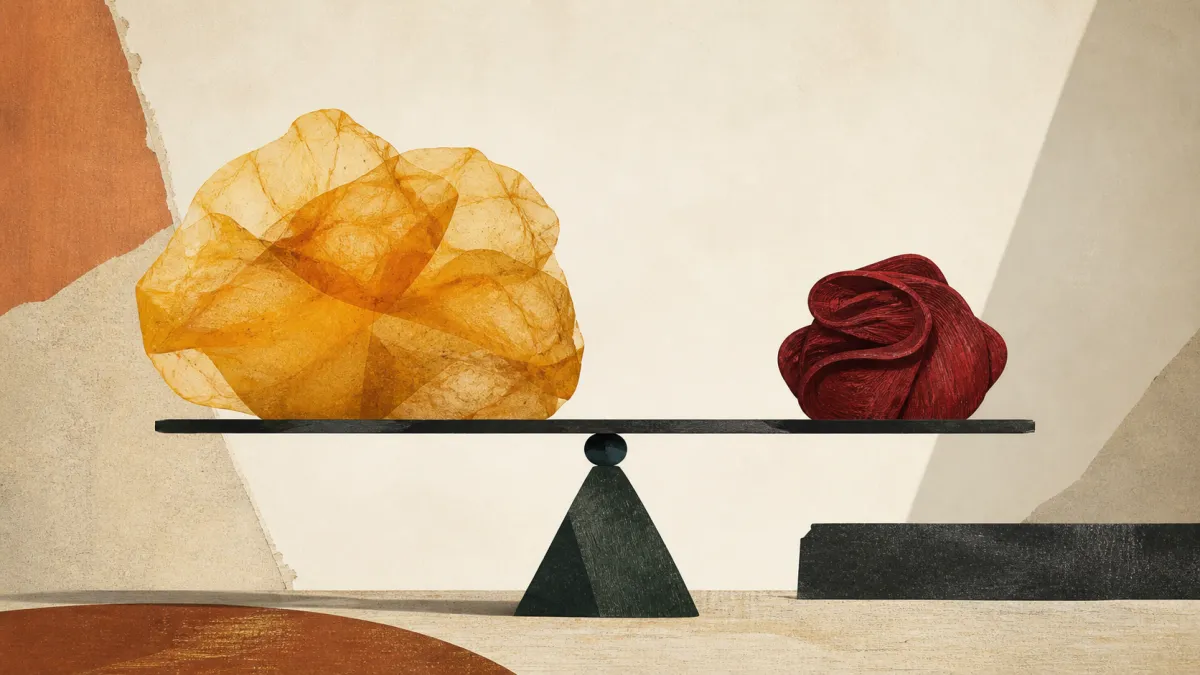
Does Muscle Weigh More Than Fat?
A kilogram is always a kilogram. Therefore:
1kg of muscle weighs 1kg.
1kg of body fat also weighs 1kg.
The difference is density.
Muscle tissue is denser and more compact than fat tissue. This means 1kg of muscle occupies less space than 1kg of fat. Fat is less dense, so the same weight takes up a greater volume.
Think of it like comparing 1kg of metal with 1kg of feathers. They weigh the same, but the feathers require much more space.
Why Muscle Looks Smaller Than Fat
Because muscle is more compact, two people can weigh exactly the same while having very different body shapes.
Someone with a higher percentage of muscle may appear:
Leaner and more defined
Firmer through the arms, legs and core
Smaller around the waist
More athletic overall
A person with a higher body-fat percentage may occupy more physical space at the same body weight.
This is why relying only on bathroom scales can be misleading. Progress photos, waist measurements, clothing fit, strength improvements and body-composition assessments can provide a more complete picture.
Can You Lose Fat and Gain Muscle Without Losing Weight?
Yes. This process is commonly called body recomposition.
When you lose 1kg of fat while gaining 1kg of muscle, your total body weight does not change. However, because muscle takes up less space, your measurements and appearance may change noticeably.
You might see:
A smaller waist measurement
Better muscle definition
Improved posture
Increased strength
Clothes fitting differently
Little or no change on the scales
For beginners, people returning to exercise and those following a well-designed resistance-training program, gaining muscle while gradually reducing body fat may be achievable.
Progress should therefore be judged by more than scale weight alone.
Does Muscle Burn More Calories Than Fat?
Both muscle and fat are metabolically active tissues, meaning they both require energy to maintain. However, muscle uses more energy at rest than body fat.
Research estimates that resting skeletal muscle uses approximately 13 calories per kilogram per day, compared with around 4.5 calories per kilogram for fat tissue. In practical terms, gaining muscle can increase resting energy expenditure, but the effect is more modest than many fitness claims suggest. Adding a small amount of muscle will not suddenly cause your body to burn hundreds of extra calories every day.
The broader benefit comes from the complete process of strength training. Regular resistance exercise can help you build or preserve lean mass, improve physical performance and increase the energy used during exercise and recovery. Muscle can support weight management, but nutrition, daily activity, sleep and long-term consistency remain essential.
Do you need protein immediately after a workout?
You do not need to race for a shake the moment your session ends. Your total daily protein intake matters most. However, having a protein-rich meal or snack within a few hours of training is a convenient way to support recovery—especially if you have not eaten for several hours.
If you train at ONIT Gym Epping before work, that could be eggs and toast, Greek yoghurt with fruit, or a smoothie after your session. Evening trainees may simply have a balanced dinner.
Why Building Muscle Matters Beyond Appearance
Strength training is not only about looking more toned. Building and maintaining muscle can support several important aspects of long-term health.
Greater Strength and Independence
Muscle helps you perform everyday activities such as carrying shopping, climbing stairs, lifting children and getting up from the floor.
Maintaining strength becomes increasingly important as we age because it supports mobility, balance and independence.
Stronger Bones
Resistance exercise places controlled stress on the bones and muscles. Over time, this can support bone strength and help reduce the age-related loss of bone and muscle.
Better Joint Support
Strong muscles help stabilise the joints and improve movement control. When exercises are performed with appropriate technique and loading, strength training may improve your ability to move safely and confidently.
Improved Sports and Everyday Performance
Whether your goal is to play sport, run faster or simply feel less tired during the day, stronger muscles can make physical tasks easier.
Healthier Body Composition
A healthy fitness goal is not always to become as light as possible. For many people, reducing excess body fat while preserving or building lean muscle is a more useful objective.
Can Fat Turn Into Muscle?
No. Fat and muscle are different types of tissue, so one cannot directly transform into the other.
However, you can lose fat and build muscle during the same general period through a combination of:
Progressive resistance training
Appropriate nutrition
Sufficient protein
Regular daily movement
Quality sleep and recovery
Consistent habits over time
These two changes can occur together, which is why it sometimes appears that fat has “turned into” muscle.
Should You Focus on Weight or Body Composition?
Your body weight can still be useful, especially when viewed as a trend over several weeks. But it should not be your only measure of success.
Consider tracking:
Waist, hip, arm or thigh measurements
Progress photos taken under similar conditions
Strength and training performance
Energy levels
Clothing fit
Exercise consistency
Body-composition changes
Daily body weight can fluctuate because of hydration, food intake, sodium, hormones and stored carbohydrate. A short-term increase does not necessarily mean you have gained body fat.
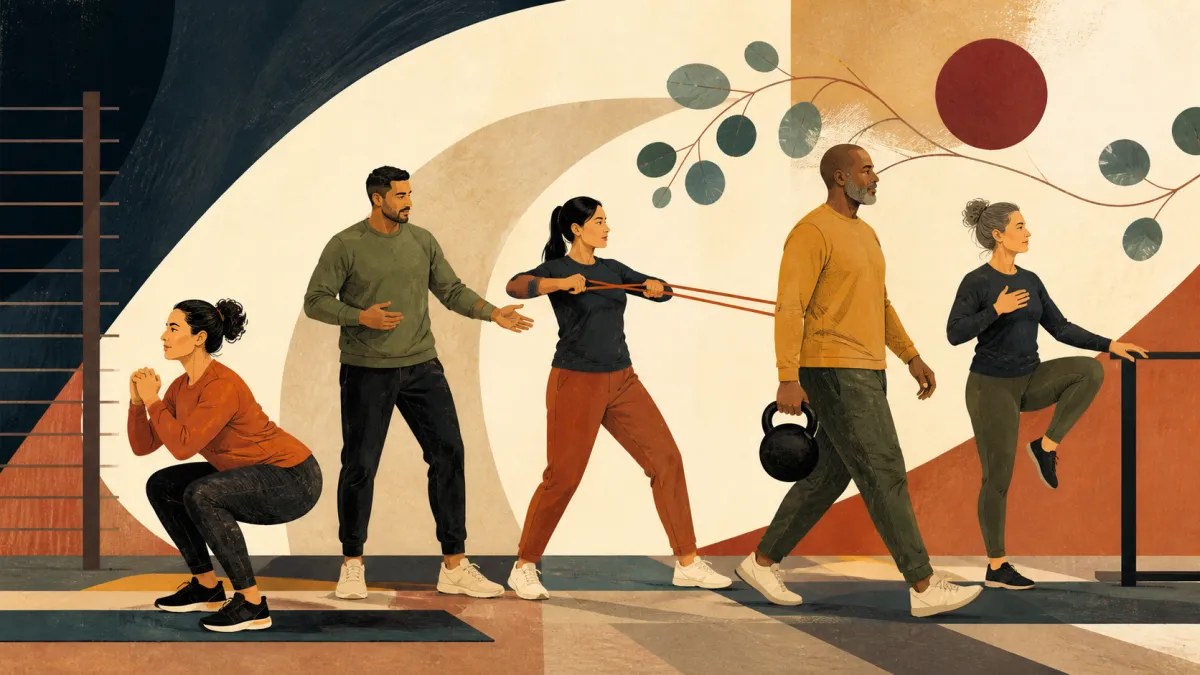
How to Improve Your Body Composition
If your goal is to reduce fat and build or preserve muscle, start with a sustainable plan.
Strength Train Consistently
Aim to train the major muscle groups regularly using exercises appropriate for your ability and experience. Gradually increasing resistance, repetitions or exercise difficulty gives the body a reason to adapt.
Eat Enough Protein
Protein supports muscle repair and growth. Your ideal intake depends on factors such as your body size, activity level and goals, so personalised nutritional guidance may be helpful.
Avoid Extreme Dieting
Very restrictive diets can be difficult to maintain and may increase the risk of losing lean mass alongside body fat. A gradual, realistic approach is usually more sustainable.
Prioritise Recovery
Muscles adapt between workouts, not only during them. Sleep, rest days and sensible training volume all contribute to progress.
Get Professional Guidance
A qualified coach can help you choose suitable exercises, improve your technique and follow a program that matches your goals.
Start Strength Training at ONIT Gym Epping
The real difference between 1kg of fat and 1kg of muscle is not the number on the scale—it is the effect each has on your size, strength, movement and body composition.
At ONIT Gym Epping, our coaches provide personalised strength training in a supportive environment. Whether you want to lose body fat, build lean muscle or become stronger and more confident, we can help you create a realistic plan and track the progress that truly matters.
Book a free No Sweat Intro to discuss your goals with an ONIT Gym coach.
Frequently Asked Questions
Is 1kg of muscle heavier than 1kg of fat?
No. They both weigh exactly 1kg. Muscle is denser, so it takes up less space than the same weight of fat.
Why do I look smaller but weigh the same?
You may have lost body fat while gaining or maintaining muscle. Because muscle is more compact, your body measurements can decrease without a significant change in total weight.
Does lifting weights help with fat loss?
Strength training can support fat loss by helping preserve or build muscle while you follow an appropriate nutrition plan. It also improves strength, fitness and long-term physical function.
How quickly can I gain muscle and lose fat?
The rate varies according to training experience, nutrition, age, sleep, genetics and consistency. Sustainable body-composition changes generally happen gradually rather than over a few days.
Is body weight a good way to measure fitness progress?
It is one useful measurement, but it should be considered alongside waist measurements, strength, fitness, photos, clothing fit and overall wellbeing.
Evidence note: The discussion of muscle, fat and resting energy expenditure in this article is informed by the Obesity Medicine Association Clinical Practice Statement on common obesity misconceptions and the review The Anatomy of Resting Energy Expenditure: Body Composition Mechanisms. Information about strength training, muscle health and bone health is informed by the Australian Government’s physical activity guidelines for adults and a systematic review and meta-analysis of progressive resistance training, muscle strength and bone mineral density.
Health disclaimer: This article provides general health and fitness information only. It is not medical advice, diagnosis, treatment or a personalised exercise or nutrition plan. Individual needs and exercise suitability vary. Consult an appropriately qualified medical professional, Accredited Exercise Physiologist or Accredited Practising Dietitian for advice specific to your health, circumstances and goals.